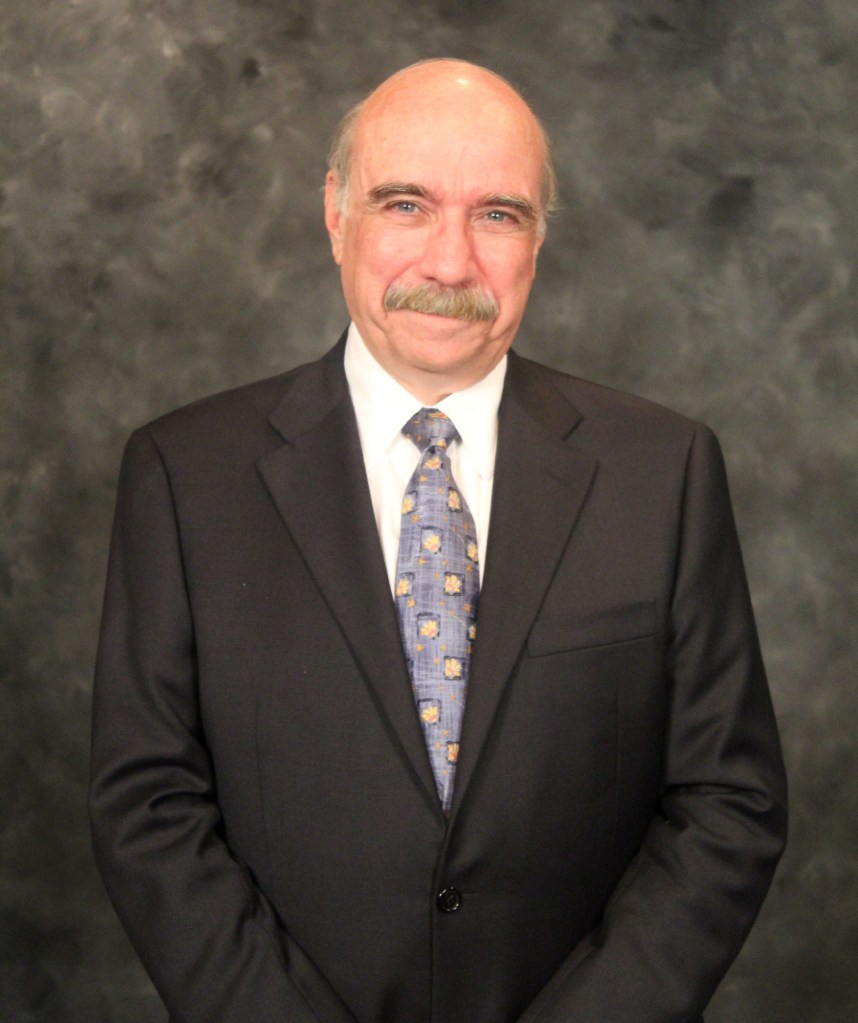
Sam Liccardo,
San Jose, Calif.
San Jose, Calif., is one of the most expensive housing markets in the nation. And this expensive market is seeing rents and housing prices continue to rise, making housing even more out of reach for many.
On top of the housing costs, only a quarter of the affordable housing needs were met over the past seven years.
“The affordable housing crunch makes it more difficult for employers to attract employees, exacerbates our homeless problem, and makes it more difficult for low- and moderate-income households who must spend the majority of their income on housing costs, leaving little funds to pay for other expenses,” says San Jose Mayor Sam Liccardo.
San Jose expects to have more funds to commit for affordable housing this year due to the repayment of some existing city loans for affordable rental properties. However, these would be one-time funds and not an ongoing predictable funding source. After the dissolution of local redevelopment agencies by the state in 2012, the city’s ability to fund new affordable housing and preserve existing projects continues to be severely constrained.
Looking forward, a new Affordable Housing Impact Fee on market-rate multifamily projects of three or more apartments, approved by the City Council in November, is expected to start generating revenues in 2017 and will be used to subsidize new and newly affordable developments for low- and moderate-income households.
San Jose’s citywide Inclusionary Housing Ordinance, which is under a court-ruled state since its passage in 2010, will require 15% of all new for-sale homes to be provided at prices affordable to low- and moderate-income households or developers can take advantage of other options, such as a payment in-lieu fee.
The city defended the ordinance to the California Supreme Court and believes that implementation will begin early next year. Until then, the city’s existing Inclusionary Housing Policy remains in effect for redevelopment project areas.
“Given that many of the new development projects are rental and are not subject to inclusionary requirements given the 2009 Palmer court case, the city has missed out on thousands of affordable homes it otherwise would have had built, which would have remained affordable for 55 years,” says Liccardo. “Palmer’s effects are a demonstration of how important inclusionary housing is, particularly for communities that are growing such as San Jose.”
The Palmer case rolled back inclusionary zoning laws in the state a few years ago.
Providing permanent housing for the city’s more than 5,000 homeless people is another top priority for San Jose.
“The city is actively working with its development community
to jointly create the right conditions so that true supportive housing for the
homeless can be built in the city and work for different types of homeless
households,” adds the mayor.