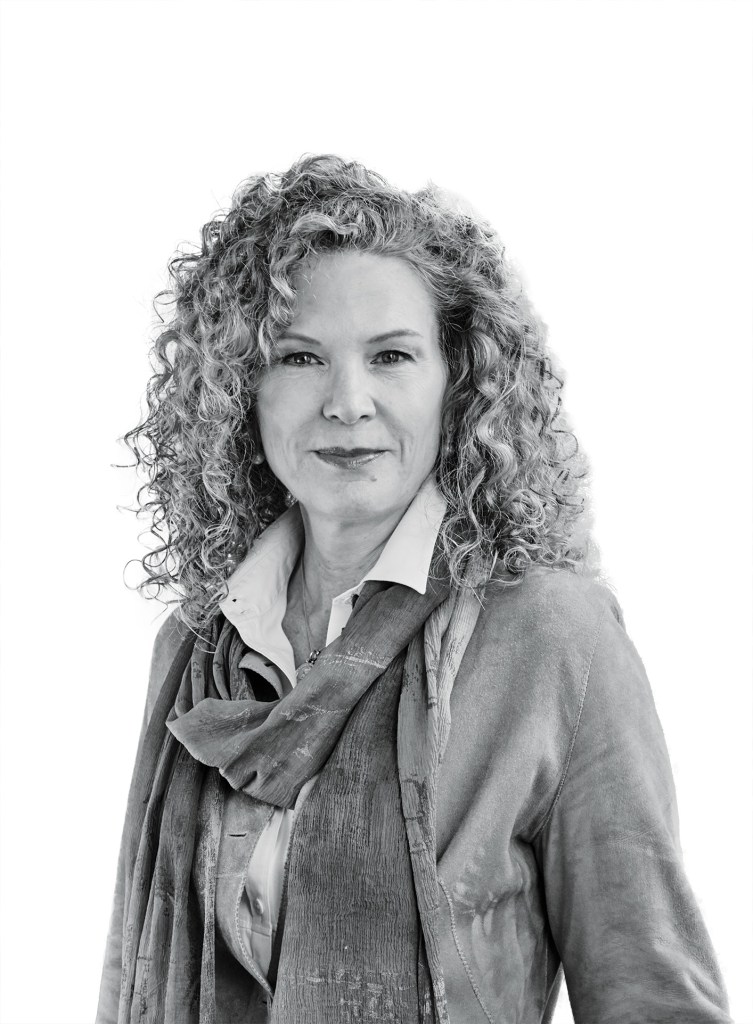
Nancy O. Andrews
Nancy O. Andrews has invested billions of dollars into low-income communities across the nation.

Nancy O. Andrews, president and CEO of the Low Income Investment Fund
Her work includes financing affordable housing, charter schools, child-care centers, and other key community facilities.
“We have a poverty-alleviation mission,” says Andrews, president and CEO of the San Francisco-based Low Income Investment Fund (LIIF) for the past 18 years. “We see housing as one of the most important steps that enable families to move up the economic ladder. It’s been an enormous part of our history, our present, and our future.”
Overall, LIIF has invested more than $2 billion into poor communities, including more than $1 billion to support 70,000 homes, which have largely been multifamily housing developments, many funded with low-income housing tax credits.
The work continues. In 2016, LIIF, a community development financial institution, received $85 million in New Markets Tax Credits and a $3.7 million Capital Magnet Fund award from federal officials that it is investing into low-income communities.
More than just a funding source, Andrews and her organization are thought leaders in the industry, looking at the role housing plays in supporting healthy, vibrant communities and its connection to all aspects of a person’s life, including education and health. LIIF, in partnership with JPMorgan Chase, recently launched Equity with a Twist, a $6 million social capital fund to encourage housing and community developers to take on the hard job of integrating education and health into their work.
LIIF also created the Social Impact Calculator, a first-of-its-kind online tool that assesses the social impact of affordable housing and other community investments. The calculator helps put a dollar value on the benefits of things like an affordable home, a great school, or access to transit.
Housing has long been a focus for Andrews, who began her career as a community organizer in Salt Lake City. “I came in through tenants’ rights and advocating for housing legislation and housing funding,” she says. “I began to realize that the only way that I could do responsible public policy and advocacy was to understand how the financing works and how the economy of the housing market worked.”
Andrews serves on numerous advisory boards including the board of the National Housing Law Project and the advisory councils of several financial institutions, including Bank of America Merrill Lynch and Morgan Stanley. In 2016, she was named to Living Cities’ 25 Disruptive Leaders list for improving economic outcomes for low-income people.