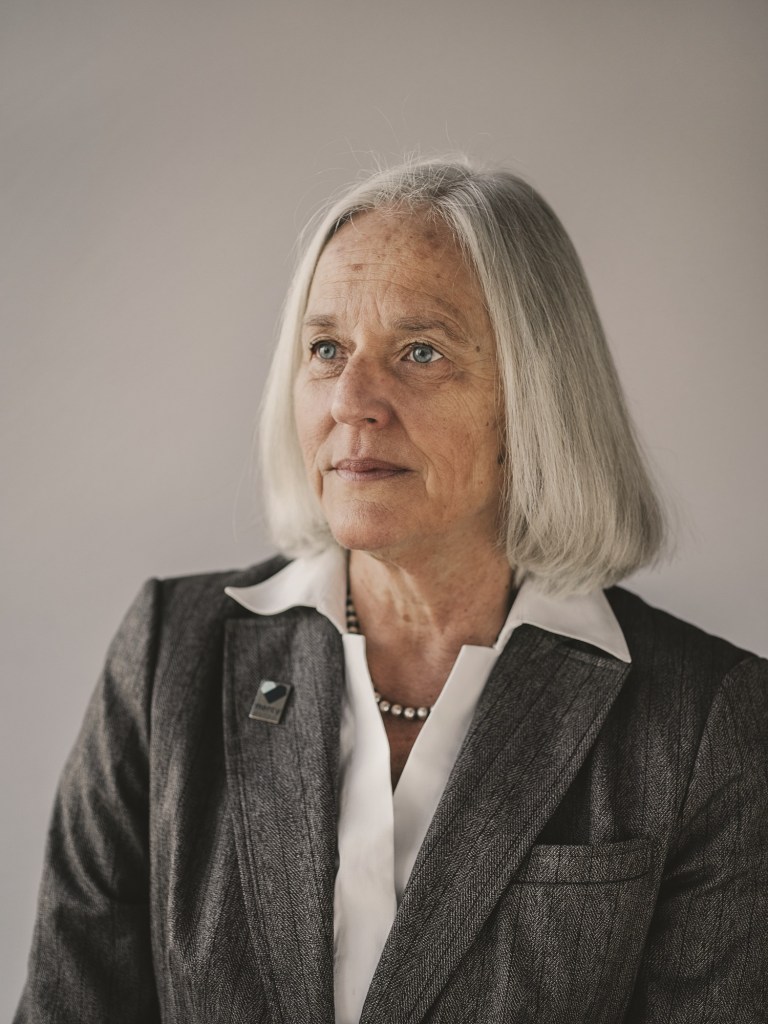
Megan Sandel
For Megan Sandel, M.D., MPH, treating a patient admitted with asthma to the ICU where she worked opened her eyes to the effects of inadequate housing.

Megan Sandel
Sandel, a pediatric resident in Boston at the time, found out that the cause of the asthma attack was the cat the family recently got even though the patient was allergic. The family said it was their only alternative after a mouse was found in the child’s bed and the landlord wouldn’t take any steps to rid the home of rodents.
“It was a eureka moment,” Sandel says. “I wanted to write a prescription for a healthy house.”
She worked with a group of other pediatric residents in Boston and around the country to publish a national report in 1998 on how housing affects child health. Since then, Sandel, an associate professor of pediatrics at the Boston University School of Medicine and a co-principal investigator for Children’s HealthWatch, has continued her research and has become a strong advocate for investment in affordable housing.
Her motto is: “A safe, decent, affordable home is like a vaccine—it literally keeps children healthy.”
An important voice in the affordable housing discussion, Sandel is making people think about housing as more than shelter. In June, she co-authored a research brief by Children’s HealthWatch and the Center for Housing Policy at the National Housing Conference about the effects of homelessness on children’s health. A key finding was that a mother being homeless both before and after giving birth leads to more serious consequences for children’s health than a mother having never been homeless or being homeless only before or after birth.
In March, Sandel will publish another brief, this one about the effect on children of the timing and duration of subsidized housing. One finding Sandel has teased from the research involves food-insecure households: There’s a 50% reduced risk of hospitalization for children living in subsidized housing before birth versus those living in subsidized housing after birth.
“We need to push the envelope on viewing stable, decent, affordable housing as an important investment,” she says.