
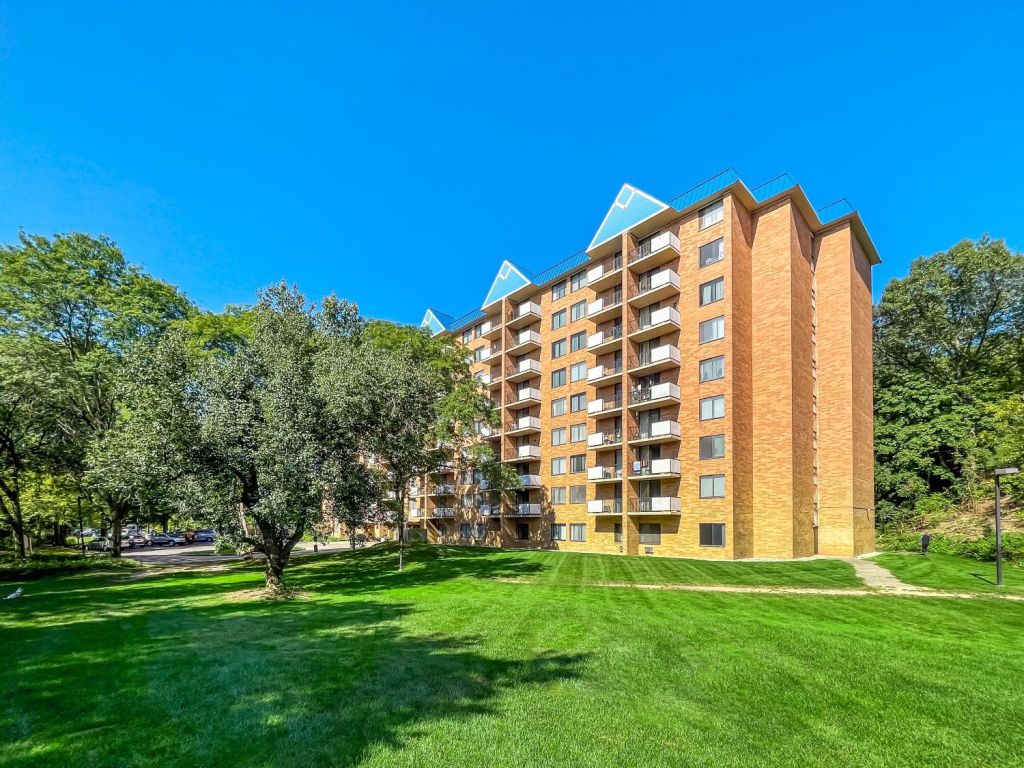
Jonathan Rose Cos. has acquired a 201-unit affordable housing community in Kalamazoo, Michigan.
The $20.5 million acquisition of Crosstown Parkway Apartments is the fifth for the Rose Affordable Housing Preservation Fund VI, a $660 million impact fund managed by the company, and grows the firm’s Michigan portfolio to 16 communities.
“With well over a dozen properties across Michigan, we’ve developed a deep understanding of the region’s affordable housing landscape, and Crosstown Parkway represents exactly the type of community we aim to preserve,” said Max Jawer, managing director of acquisitions at Jonathan Rose Cos. “It’s a well-located, long-standing property serving older adults, and it gives us the opportunity to apply our full preservation strategy – physical upgrades, climate-conscious improvements, and resident supportive services – all in a region where we’ve built strong relationships and have a growing footprint.”
The firm said it is planning an $8.6 million rehabilitation of the property, including upgrades to unit interiors, building systems, and shared spaces, as well as energy-efficiency enhancements aimed at achieving Enterprise Green Communities certification. Jonathan Rose Cos. is also deepening Crosstown’s social impact by establishing a full-time resident services coordinator to help residents navigate benefits, health care, and other critical resources.
Originally constructed in 1977, Crosstown underwent a renovation in 2008 financed by low-income housing tax credits and bonds from the Michigan State Housing Development Authority.
The property was acquired from Medallion Management, a Michigan-based owner and operator. The sale was arranged by Neal Wolf from Performance Real Estate Advisors. Medallion will remain in place as property manager.
The acquisition was financed with a $19.1 million loan from Freddie Mac arranged by Berkadia.
The new owners said they have extended the existing Section 8 Housing Assistance Payment contract for an additional 20 years. The subsidy contract was set to expire in 2028.