
![The Florida Keys has a workforce housing crisis, exacerbated by Hurricane Irma. “The need is so critical [in the Florida Keys]. You could probably build 10 projects, and they would lease up on [certificate of occupancy] day,” says Marty Flynn, operations adviser and strategist, Tri-Star Affordable Development.](https://housingfinance.stg.zonda.onl/wp-content/uploads/sites/6/2018/thierrydehove-marathon-39.jpg?w=1024)
Thierry Dehove Photography
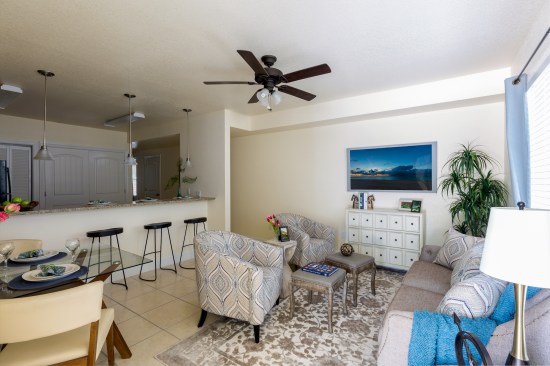
Caya Place brings 42 new affordable housing units to Marathon and Big Pine Key in the Florida Keys.
Irma Exacerbates Housing Crisis in the Keys
Sometimes called the American Caribbean, the Florida Keys are a tropical paradise away from the mainland offering fishing, snorkeling, and scuba diving, among other recreational activities.
The tourism industry on the islands employs about 50% of the workforce, according to recent reports. But housing for these wage earners, already an issue, was exacerbated after Category 4 Hurricane Irma struck the Keys in September.
According to the “Approximate Damage Assessment Results” report of Monroe County (home to the Keys), Irma destroyed 1,179 homes throughout the Keys, and another 2,977 residences suffered major damage. Mobile homes, manufactured houses, and RVs were among the hardest-hit.
“Housing down in the Keys was already desperately short,” says Marty Flynn, operations adviser and strategist at Tri-Star Affordable Development, which constructs and operates affordable housing throughout the area. “Older housing with traditionally lower rents and affordable [units] got wiped out.”
Flynn cites a limited supply of land in the Keys, a strict growth ordinance, and environmental factors involving plants and animals as some of the difficulties facing new housing development.
Nonetheless, before and after Irma made landfall, his firm completed critical affordable housing that serves local workers.
Tri-Star’s Caya Place scattered-site development includes 42 units in two buildings located almost 20 miles apart. Residents started moving into the first building, in Marathon, less than two weeks before Hurricane Irma struck. The three-story structure includes 26 units and is adjacent to the company’s 73 Ocean development, which opened in 2016.
The second building, in Big Pine Key, comprises 16 units across two stories and was under construction when the hurricane hit, with its windows and doors having been installed two days before Irma came ashore.
“The buildings fared well. These are built to new building codes, with hurricane-impact glass and doors, metal roofs, and 40 tons of steel in the foundation,” says Flynn. “We lost all of the landscaping, but that was the extent of it.”
With a focus on cleaning up storm debris, restoring power, and getting people back on their feet, the Big Pine Key development took longer than expected to complete. Opened at the end of February 2018, the building was fully leased in just two days. Of the 16 households who moved in, eight had effectively been made homeless by the hurricane.
The $15.7 million development was financed with low-income housing tax credits (LIHTCs) and a State Apartment Incentive Loan from the Florida Housing Finance Corp. Hunt Capital Partners was the tax credit syndicator, with Citi Community Capital as the ultimate investor. First State Bank of the Florida Keys was the construction and permanent lender.
Thirty-seven of the one-, two-, and three-bedroom units at the two buildings are set aside for households earning 60% of the area median income (AMI), and five units are reserved for households at 25% of the AMI.
“Almost every single resident we have is working in one of the businesses here locally in Big Pine Key and Marathon,” says Flynn.
Annie Perez, the tenants and services coordinator for the buildings, says the development is a great community resource.
“All the tenants here are very happy with their apartments. Compared to the prices out there in the community, this is very affordable,” says Perez, who is a resident of 73 Ocean.
With the Keys a critical concern for the state, Tri-Star is working to find the right parcels of land and get approvals to do its next development.
“The need is so critical down here,” adds Flynn. “You could probably build 10 projects, and they would lease up on [certificate of occupancy] day.”